All Categories
Featured
Mid-stage start-ups are operating in a really various endeavor capital landscape in 2026. Investors can be slower to dedicate, more selective about where dollars go, and focused on genuine traction over momentum.
Rather, expectations are now centered around capital efficiency, sustainability, and tactical positioning. Adding to the complexity, local environments are diverging, and funding results are significantly formed by sector specialization and regional dynamics. Here's how today's mid-stage start-ups are adapting, and what creators might wish to bear in mind to stay fundraising-ready in a slower-moving, but still active, market.
In 2021 and 2022, "growth at all costs" was the norm. Founders raised large rounds at sky-high assessments. As financial conditions moved, numerous of those boom-era offers are now undersea-- and investor habits has actually altered in kind. Expectations moved away from speed and scale and toward operational resilience.
Taking advantage of Sustainability: The Rise of Green Financing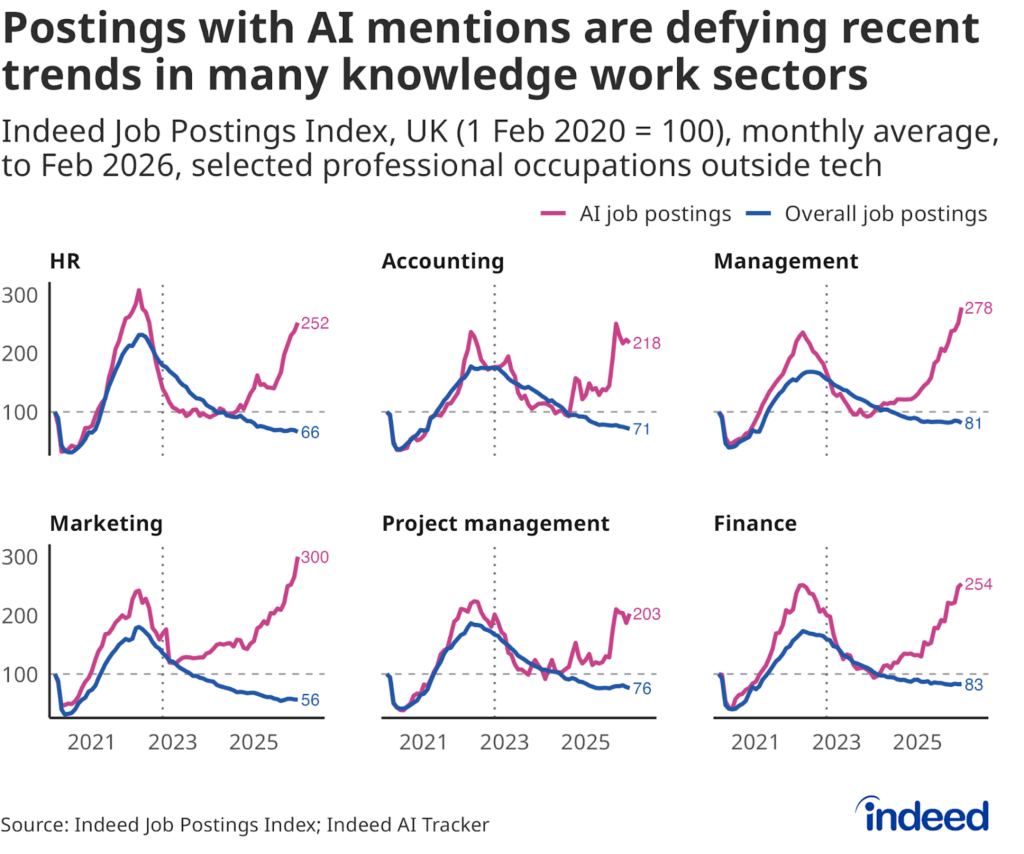
Evaluating AI Adoption in UK Markets
The mean time to close a VC round hit approximately two years, up from about 1.3-1.4 years in 2019. Financiers became more selective, searching for start-ups with strong capital, solid unit economics, and the capability to do more with less. For mid-stage startups, this shift may imply principles come initially.
While offers are still occurring, they're taking longer, and the bar to follow-on funding has increased a shift we explored in our breakdown of three key fundraising patterns to view. For mid-stage start-ups, the ramification can be clear: momentum alone won't always cut it. Investors desire to see a clear focus on the fundamentals, including: Capital performance: Doing more with less Runway management: Having sufficient cash to remain versatile, especially offered today's prolonged fundraising timelines Functional rigor: Clear metrics, lean groups, and smart spend Start-ups with inflated evaluations can now be under greater pressure to show traction and validate their pricing.
At the exact same time, due diligence has been getting much deeper. Investors are typically spending more time verifying monetary discipline, product-market fit, and defensibility before writing checks. Creators preparing for a fundraise might desire to revisit what today's due diligence procedure actually looks like this list can help. With mean fundraising timelines now extending to roughly two years, capital has actually been streaming towards startups with solid basics and enduring competitive advantages-- not simply development stories.
Taking advantage of Sustainability: The Rise of Green FinancingStartups face a shifting set of expectations and a venture capital landscape that's progressively different. Pulling from our Endeavor Capital Report in partnership with Pitchbook, in 2026, 5 key patterns are forming where capital flows and the length of time it might take to raise: AI represented almost half of all United States VC offer value and nearly a 3rd of deal count in 2024.

Latest Posts
Human Capital Management Tactics for Global Growth
How Digital Systems Reshape Global Industry
Scaling the UK Talent Pool