All Categories
Featured
Table of Contents
Get the report to change trade from tactical function to strategic income driver and executive partner.
The Competitive Edge: How Net No Draws In Leading Tier SkillRegardless of geopolitical stress, moving trade policy and lingering supply-chain threat, the motion of physical items continues to expand, reinforcing the central function of logistics, freight forwarding and global distribution in the global economy. Newest analysis from UNCTAD reveals that global trade worths reached extraordinary highs in 2025, driven primarily by development in merchandise trade rather than services.
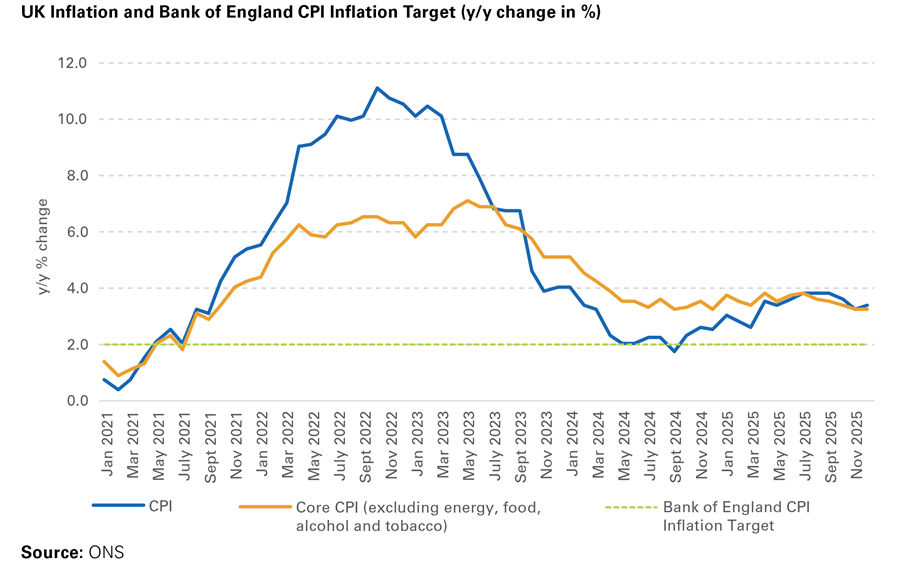
Strong need for made items and crucial basic materials has actually supported higher trade volumes across Asia, Europe and North America. Supply chains have actually adapted to volatility, with shippers diversifying sourcing, rebalancing stocks and constructing more flexible transport techniques. Forecasts point to continued expansion in global items trade, supported by relieving inflationary pressure, stabilising interest rates and restored confidence amongst manufacturers and merchants.
How Digital Systems Reshape Global Business
For logistics companies, it reinforces the need to invest ahead of demand: in individuals, systems, networks and international coverage. As trade volumes rise, so does the need for internationally connected logistics partners. End-to-end visibility, local market proficiency and smooth coordination across borders are ending up being requirements instead of differentiators. Businesses need partners that can support growth into new markets without adding complexity or threat.
Not just in headline trade lanes, however throughout secondary markets and emerging passages where growth is speeding up fastest. Supporting growth through global expansion.

This edition of the Global Trade Update presents the latest information and trends in global trade. drove the majority of the expansion, growing by about 7% and including approximately $1.8 trillion to worldwide growth. grew by around 8%, contributing about $700 billion to the total increase. Trade growth was extensive but more powerful for developing economies in East Asia and Africa.
Preliminary data from significant economies and key indications point to ongoing growth in items trade though signs of a slowdown in services are emerging., weighed down by relentless trade tensions and increasing trade costs. The ongoing conflict in the Middle East and the shipping interruptions in the Strait of Hormuz are expected to intensify inflationary pressures on a currently stretched global economy dealing with geopolitical stress, policy shifts and limited financial area the space governments have to increase costs or cut taxes.

Securing Ethical Trade Chains for Success
On the benefit, and might assist sustain trade's overall performance. A consistent function of recent trade characteristics is the which fell by approximately one quarter in 2025, or about $170 billion.
Numerous ", serving as intermediaries. Serving often as logistical centers or assembly points, economies such as Cambodia, Egypt, Viet Nam and Indonesia are helping to support trade circulations, assistance worldwide growth and cushion the effect of increasing geopolitical fragmentation.
Global trade goes into 2026 under installing pressure from slower growth, geopolitical fragmentation, speeding up digital and green transitions and tighter national guidelines. Together, these forces are reshaping trade circulations, investment choices and international value chains, with the best dangers and opportunities concentrated in establishing economies. This report highlights ten patterns that will specify how countries sell 2026 and how trade policy choices might either strengthen fragmentation or assistance more resilient and inclusive development.
Significant trading partners, consisting of the United States, China and Europe, are also losing momentum, compromising demand and tightening monetary conditions. For establishing countries, slower growth limitations investment in infrastructure and industrialisation. Stronger local trade and diversification will be important to build resilience. The World Trade Company's 14th ministerial conference will occur amid rising unilateral tariffs and geopolitical stress.
Comparing Old versus Digital Finance Routes
Decisions on farming, digital trade and climate-related steps will shape whether international guidelines support advancement. Global tariffs increased in 2025, driven largely by procedures presented by the United States, with producing most impacted.

Latest Posts
Human Capital Management Tactics for Global Growth
How Digital Systems Reshape Global Industry
Scaling the UK Talent Pool