All Categories
Featured
Table of Contents
In specific, tax and legal direct exposure can begin surprisingly early, even if overseas profits still feels "small". overseas activity can set off domestic taxation in another jurisdiction sooner than numerous owner-managers anticipate. cross-border sales, digital services and differing registration limits can produce compliance obligations and pricing issues. especially pertinent where IP, management charges, or intercompany/group deals are involved.
ensuring IP, brand name, trade assets and other intangibles are held and protected in structures that lower direct exposure as global activity grows. using the ideal entities for the best threats, so functional direct exposure in one geography does not unnecessarily threaten possessions held elsewhere. This is where a reliable modern-day Finance Director adds authentic strategic worth.
They know what to look for, when "little" overseas activity starts to produce big implications, and how to prevent sleepwalking into avoidable exposure. In practice, a strong FD will appear the issues early, commission the ideal expert suggestions, and coordinate the moving parts throughout tax consultants, legal counsel and internal stakeholders.
Along with the macro picture, AI is ending up being a specifying force in how finance functions operate. Internationally, adoption among SMEs is increasing quickly, and those who move initially tend to get an edge in effectiveness, choice speed and funding. Tools that evaluate spend, flag abnormalities, improve forecasting and generate commentary are moving from experimental to mainstream.
A disciplined, FD-led finance function does the opposite: it creates a strong foundation for automation to deliver reputable insight. Choosing appropriate automation tools for the size and intricacy of the company.
Optimizing UK Team Models Through Innovation
Embedding controls that protect against AI-driven errors. In 2026, SMEs will complete on financial clearness as much as product and services quality. AI broadens the space between disciplined and unrestrained services. At the same time, the UK employment landscape is shifting. Expanded flexible working rights, foreseeable working pattern rules, more powerful protections around unjust termination and assessment tasks all point in one direction: working with is ending up being more procedurally demanding and riskier to get incorrect.
Repaired headcount becomes a larger dedication, especially in junior or functional roles where performance can be variable. Hiring errors end up being more pricey, not only financially but in management time.
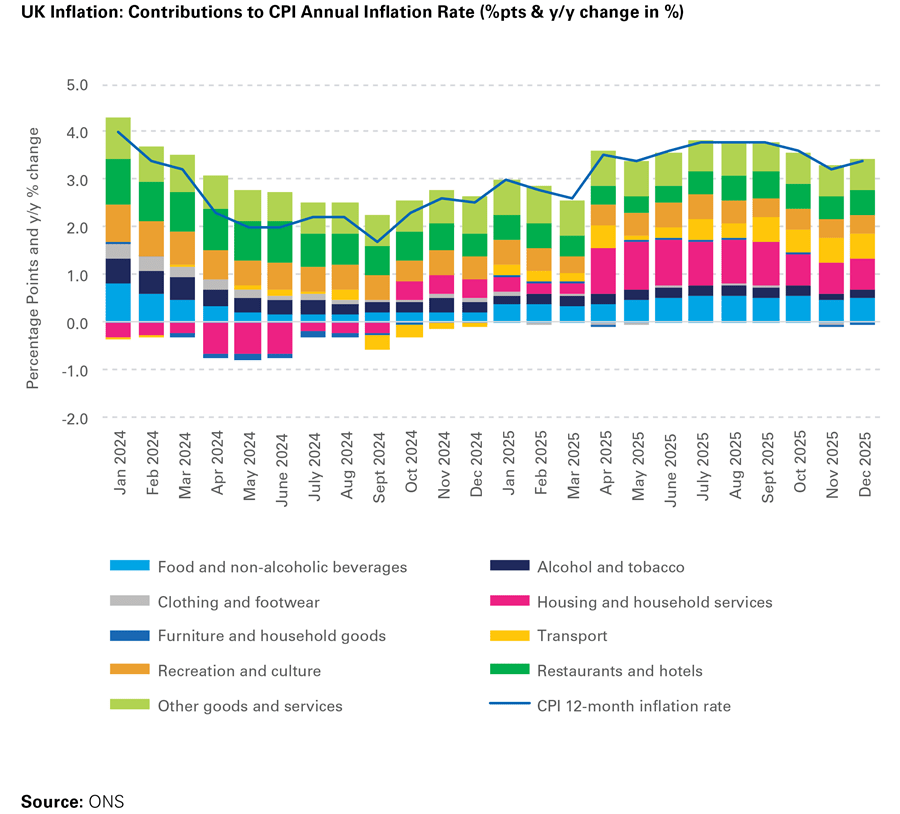
They design labor force scenarios, hire vs outsource vs automate, and demonstrate how these options impact cashflow, margin and functional risk. Offered this backdrop, what should an SME's finance management, whether internal or outsourced, concentrate on over the next 18 months? rolling projections, circumstance planning, debtor management and provider settlements that go beyond spreadsheets into structured procedure, supported by strong cashflow management.
turning reporting into lending institution- and investor-ready packs by means of tactical finance support. monitoring FX, landed cost and local success with continuous situation modelling. supported with clean information and automated control panels produced via strong management reporting. These are not administrative tasks, they are tactical enablers. And for lots of SMEs, the most economical path to this ability is an outsourced Financing Director who brings senior-level clearness without including work threat.
Sustainable Financing Vs. Legacy in Mid-Market
For organizations considering their next relocation, the accessibility and cost of financing matters as much as self-confidence. What we are seeing now is a market where, in spite of combined sentiment, the conditions for investment are improving in practical and measurable methods. It would be reasonable to state that self-confidence among SMEs has softened over the past year.

What has altered is presence. Businesses now have a clearer view of their expense base, their tax position and the broader economic backdrop. That clearness, even if it comes with difficult decisions, permits companies to plan. Increasingly, we are hearing services describe 2026 as a year of delivery instead of hold-up.
Companies are mindful that capital is offered at an affordable cost, which this develops an opportunity to bring forward growth strategies that may have been parked while conditions were less specific. While confidence may be weaker than it was 12 or 18 months earlier, the tone of conversations has become more useful.
Over the last few years, property financing attracted specific attention, helped by tax incentives that made it especially attractive. A few of those advantages have given that minimized, but instead of dampening activity, we are seeing need throughout the complete variety of commercial lending. Property-backed financing, structured loaning and possession finance are all in play.
The lender side of the marketplace is likewise moving in favour of debtors. There is an abundance of capital readily available, providing criteria are softening, and prices is easing. This is especially noticeable amongst the high street banks. As Covid-era loans have been repaid, balance sheets have enhanced and appetite has actually returned.
Key Steps to Scale Mid-Market Global Growth
Companies that limit themselves to a single lending institution are undoubtedly limiting their choices. A whole-of-market technique enables funding to be structured around the needs of the company rather than the restrictions of a specific product. Dealing with experienced business financing brokers offers organizations access to a broad financing universe and a much broader variety of options.
It also implies businesses can react more rapidly as conditions develop, rather than being connected to one route. Looking ahead, I think the next stage will favour businesses that are ready to make thought about financial investment decisions. After a subdued 2nd half of 2025, the mix of capital accessibility, lending institution appetite and improving rates creates a platform for development.
Those who continue to postpone decisions may find themselves standing still while the marketplace carries on. In a more competitive environment, that carries its own threats. Turnover and success are not ensured merely by waiting for conditions to end up being ideal. The message I would offer to organization owners is not to disregard risk, however to recognise chance.
For firms with aspiration, a clear strategy and the desire to engage appropriately with the funding landscape, this is a period that can be utilized to support sustainable growth rather than simply to tread water.
NatWest Markets does not undertake to update you of such modifications. Other than as indicated, this short article has actually been prepared on the basis of openly offered info thought to be reputable but no representation, service warranty, endeavor or assurance of any kind, reveal or indicated, is made as to the adequacy, precision, completeness or reasonableness of the information contained in this article, nor does NatWest Markets accept any obligation to any recipient to update or fix any info contained herein.
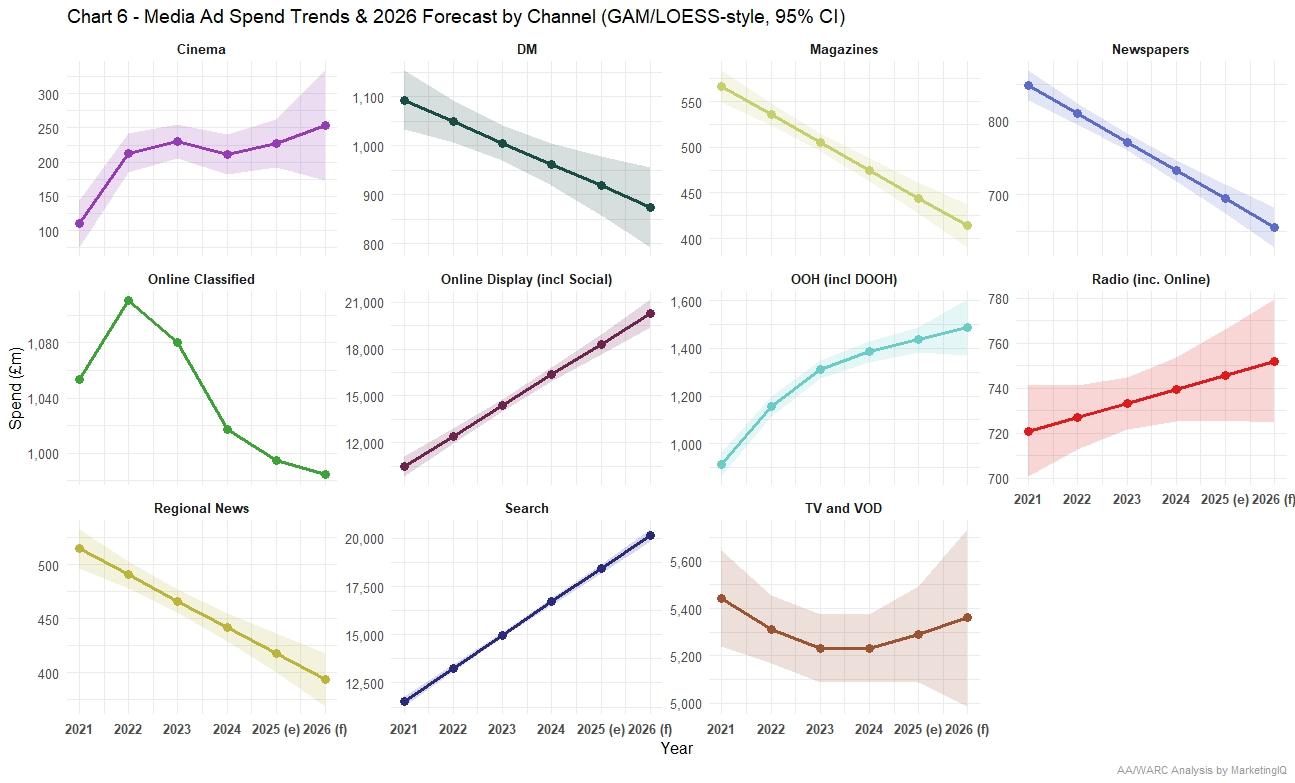
An Analysis of British Investment Trends
The views revealed herein may not be unbiased or independent of the interests of the authors or other NatWest Markets trading desks, who might be active participants in the markets, investments or techniques described in this post. NatWest Markets will not act and has not acted as your legal, tax, regulatory, accounting or financial investment advisor; nor does NatWest Markets owe any fiduciary duties to you in connection with this, and/or any related transaction and no dependence may be placed on NatWest Markets for financial investment suggestions or recommendations of any sort.

Latest Posts
Human Capital Management Tactics for Global Growth
How Digital Systems Reshape Global Industry
Scaling the UK Talent Pool