All Categories
Featured
Table of Contents
In particular, tax and legal exposure can start surprisingly early, even if overseas revenue still feels "small". overseas activity can trigger domestic tax in another jurisdiction faster than many owner-managers expect. cross-border sales, digital services and varying registration thresholds can produce compliance obligations and pricing problems. especially pertinent where IP, management charges, or intercompany/group transactions are involved.
ensuring IP, brand name, trade possessions and other intangibles are held and secured in structures that decrease exposure as international activity grows. utilizing the ideal entities for the best risks, so operational exposure in one location does not unnecessarily threaten possessions held elsewhere. This is where an efficient modern-day Finance Director adds authentic strategic value.
They know what to try to find, when "small" overseas activity begins to develop huge implications, and how to prevent sleepwalking into avoidable exposure. In practice, a strong FD will emerge the issues early, commission the right professional suggestions, and collaborate the moving parts throughout tax advisers, legal counsel and internal stakeholders.
Along with the macro picture, AI is ending up being a specifying force in how finance functions run. Globally, adoption among SMEs is increasing quickly, and those who move first tend to gain an edge in performance, decision speed and financing. Tools that evaluate invest, flag anomalies, improve forecasting and generate commentary are moving from experimental to mainstream.
A disciplined, FD-led finance function does the reverse: it develops a strong structure for automation to deliver trusted insight. Selecting proper automation tools for the size and intricacy of the service.
Optimizing Corporate Team Models Through Innovation
In 2026, SMEs will contend on monetary clearness as much as product or service quality. AI broadens the space between disciplined and undisciplined services.
Repaired headcount ends up being a bigger dedication, particularly in junior or operational roles where efficiency can be variable. Hiring errors end up being more pricey, not just economically however in management time.
They model labor force scenarios, work with vs contract out vs automate, and show how these options affect cashflow, margin and functional danger. Given this backdrop, what should an SME's financing management, whether in-house or outsourced, concentrate on over the next 18 months? rolling forecasts, situation preparation, debtor management and supplier settlements that exceed spreadsheets into structured process, supported by strong cashflow management.
Why Global Trade Dynamics Matter for British Firmsturning reporting into lender- and investor-ready packs by means of tactical finance support. keeping an eye on FX, landed cost and regional profitability with continuous situation modelling. supported with clean information and automated control panels produced via strong management reporting. These are not administrative chores, they are strategic enablers. And for lots of SMEs, the most cost-efficient path to this capability is an outsourced Finance Director who brings senior-level clarity without adding work risk.
Strategic Tactics to Guide 2026 Mid-Market Growth
For companies considering their next relocation, the availability and cost of financing matters as much as confidence. What we are seeing now is a market where, in spite of combined belief, the conditions for investment are enhancing in useful and quantifiable methods. It would be fair to state that self-confidence among SMEs has softened over the past year.

Services now have a clearer view of their expense base, their tax position and the wider economic backdrop. Increasingly, we are hearing businesses describe 2026 as a year of delivery rather than hold-up.
Firms know that capital is offered at an affordable expense, and that this creates a chance to advance growth strategies that may have been parked while conditions were less particular. While self-confidence may be weaker than it was 12 or 18 months ago, the tone of conversations has ended up being more useful.
In the last few years, asset finance attracted specific attention, assisted by tax incentives that made it specifically appealing. Some of those benefits have actually since reduced, but rather than dampening activity, we are seeing demand across the full range of industrial financing. Property-backed finance, structured lending and possession financing are all in play.
The loan provider side of the marketplace is also shifting in favour of debtors. There is an abundance of capital available, providing requirements are softening, and prices is easing. This is especially visible amongst the high street banks. As Covid-era loans have been repaid, balance sheets have actually reinforced and cravings has returned.
Key Methods to Scale UK Global Growth
Organizations that restrict themselves to a single lending institution are undoubtedly restricting their choices. A whole-of-market approach permits funding to be structured around the needs of the company rather than the constraints of a particular item. Working with knowledgeable industrial financing brokers gives services access to a broad financing universe and a much wider variety of services.
It likewise means businesses can react faster as conditions progress, rather than being connected to one route. Looking ahead, I believe the next phase will favour businesses that are ready to make considered financial investment decisions. After a suppressed second half of 2025, the combination of capital availability, loan provider hunger and improving rates creates a platform for development.
Those who continue to defer decisions may find themselves standing still while the market moves on. The message I would give to service owners is not to ignore danger, however to recognise chance.
For companies with ambition, a clear strategy and the determination to engage correctly with the funding landscape, this is a period that can be used to support sustainable growth rather than just to tread water.
NatWest Markets does not carry out to update you of such modifications. Other than as suggested, this short article has actually been prepared on the basis of openly offered info thought to be dependable however no representation, service warranty, undertaking or assurance of any kind, express or indicated, is made as to the adequacy, precision, efficiency or reasonableness of the info included in this short article, nor does NatWest Markets accept any commitment to any recipient to update or correct any details included herein.
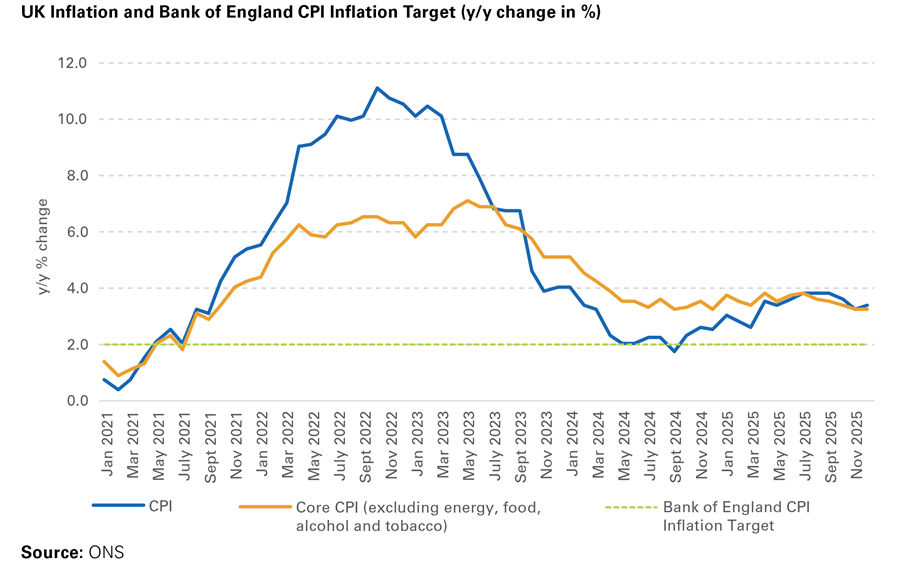
Why New Trade Dynamics Matter for UK Firms
The views revealed herein may not be unbiased or independent of the interests of the authors or other NatWest Markets trading desks, who may be active individuals in the markets, financial investments or strategies referred to in this post. NatWest Markets will not act and has not acted as your legal, tax, regulatory, accounting or financial investment adviser; nor does NatWest Markets owe any fiduciary duties to you in connection with this, and/or any related deal and no dependence may be put on NatWest Markets for financial investment suggestions or suggestions of any sort.

Latest Posts
Human Capital Management Tactics for Global Growth
How Digital Systems Reshape Global Industry
Scaling the UK Talent Pool